
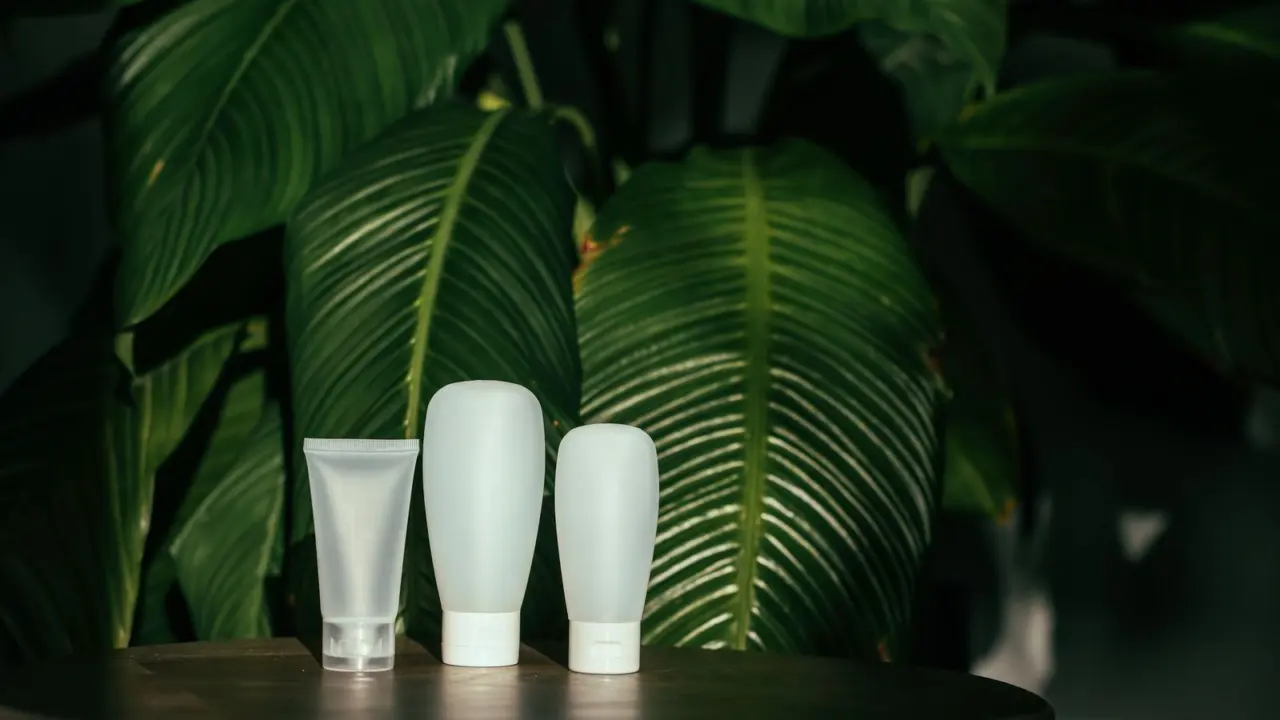
Skincare feels overwhelming when every shelf promises something new. Here is how to build a skincare routine: start with just three steps, a gentle cleanser, a moisturizer and a broad-spectrum sunscreen, then add extras only when you need them.
This guide sits within the wider set of beauty tips on this site, so you can keep browsing once your basics are in place.
| Item | Value |
|---|---|
| Basic steps | 3 (cleansing, moisturizing, sun protection) |
| Morning order | Cleanser, then moisturizer, then sunscreen |
| Sunscreen strength | Broad-spectrum, SPF 30 or higher |
| Sunscreen reapplication | Every 2 hours when exposed to the sun |
| Night routine | Cleanser and moisturizer, sunscreen can be dropped |
| Water for cleansing | Lukewarm |
The figures come from a Healthline guide to a pared-down routine written on June 21, 2022, and a skincare routines page published by a skincare brand. Advice can change, so check the sources before you rely on them.
What a simple skincare routine includes
Dermatologists generally recommend a “less is more” approach built on three basic steps: cleansing, moisturizing and sun protection, according to that routines page. You do not need a shelf full of bottles to get started.
In fact, dermatologist Angelo Landriscina told Healthline you can make your skin worse by using too many products. A short routine is easier to keep up and easier to troubleshoot.
Each of the three steps has a clear job:
- Cleanser: a non-drying, fragrance-free formula that refreshes skin without stripping it.
- Moisturizer: a non-comedogenic face moisturizer that hydrates and seals in moisture.
- Sunscreen: a broad-spectrum formula with SPF 30 or higher to protect against the sun.
Before you buy anything, work out your skin type and what you want from your routine. The routines page calls it helpful to identify your skin type and goals when you are starting out.
Your morning routine, step by step
Landriscina advises applying three products in a set order in the morning, as Healthline reports. Follow this sequence:
- Cleanser: wash your face to start with a clean slate.
- Moisturizer: it repairs skin barrier function and holds in water.
- Sunscreen: the final layer, applied after the other two.
Use lukewarm water and a gentle cleanser. Dermatologists quoted by Healthline say washing thoroughly this way lets other products work properly instead of washing off.

Choosing a cleanser for your skin type
Finding the right cleanser is trial and error. Healthline’s dermatologists suggest that people with oily or acne-prone skin often do best with a foaming cleanser, while people with normal or dry skin typically prefer gentle, nonfoaming options.
If you are unsure of your skin type, Landriscina’s advice is to start with something designed for sensitive skin, because that is least likely to cause irritation.
Sunscreen: the step worth never skipping
Choose a broad-spectrum sunscreen, which blocks both UVA and UVB rays, and look for SPF 30 or higher. The dermatologists in the Healthline guide say to reapply it every 2 hours if you are exposed to the sun.
The reason is simple. As of Healthline’s June 21, 2022 article, skin cancer is the most common cancer in the United States, according to the American Academy of Dermatology Association, and Landriscina calls consistent daily sunscreen use one of the best things you can do to prevent it.
Order matters here. Sunscreen goes on after cleanser and moisturizer, and it should dry before makeup goes on. Once it has set, you can move on to how to apply foundation evenly over a settled base.
A simple evening routine
Your night routine can be shorter than your morning one. According to Healthline, Landriscina says you can skip sunscreen at night and simply reapply cleanser and moisturizer.
If you wear makeup, it helps to read up on how to remove makeup properly so your evening cleanse starts from a clean base.
The American Academy of Dermatology recommends sticking to a consistent morning and nighttime routine, as the routines page notes. Doing the same few steps every day beats an elaborate routine you abandon after a week.
Extras to add later, if at all
Healthline’s dermatologists describe a few products as nice-to-haves rather than necessities:
- A product with antioxidants
- A hydrating serum
- Retinol or retinoids
You may not need a separate antioxidant product at all. Landriscina says antioxidants are often present in moisturizers, so check the label of what you already own before buying more.
A hydrating serum can be particularly useful if you have dry skin or live in a drier climate. Landriscina recommends looking for one with hyaluronic acid and glycerin, both described in the Healthline guide as humectants that lock in hydration.
How do you keep a routine working over time?
Give your routine patience. The routines page reminds readers that results can take time and you will not see them overnight.
Your needs will also shift. Landriscina points out that the right product can change as you age, since skin tends to get drier, so a cleanser or moisturizer that suits you now may not suit you forever.
If you have questions about your own skin, the same page advises consulting a board-certified dermatologist rather than guessing.
Frequently asked questions
How many products do you need to start a skincare routine?
Show answer
Three is enough. In the morning use a cleanser, a moisturizer and a sunscreen, in that order, as described in the Healthline guide.
Do you need sunscreen at night?
Show answer
No. Sunscreen is a daytime step, so your evening can be a cleanser followed by a moisturizer, as laid out in the Healthline guide.
What if your skin is sensitive?
Show answer
Start with a cleanser designed for sensitive skin, because it is least likely to cause irritation. You can change products later as you learn how your skin responds.
How soon will you see results?
Show answer
Not overnight. The routines page says results take time and call for patience and consistency.