

Wondering how to get rid of dark circles under your eyes? Start by working out the cause, because pigment, visible vessels and shadow each need a different fix.
This guide is part of the wider collection of beauty tips on this site.
| Item | Value |
|---|---|
| Under-eye skin thickness | Roughly 0.5 millimeters, versus about 2 millimeters on the cheek |
| Main types of dark circles | Three: pigment, visible vessels, and shadow from hollowing |
| Studies in a treatment review | 39 studies |
| Best-supported fix for volume loss | Soft tissue fillers and autologous fat grafting |
| Daily sun protection suggested | Broad-spectrum SPF 30, up to the lash line |
The figures come from a 2021 systematic review of treatments and a hospital group’s explainer on causes and myths. They can change, so check the source before you rely on them.
What causes dark circles under your eyes?
The medical name is periorbital hyperpigmentation, and the cause is rarely just one thing. A 2016 review lists these contributing factors:
- Genetics or heredity
- Excessive pigmentation
- Post-inflammatory darkening after atopic and allergic contact dermatitis
- Periorbital edema (swelling around the eye)
- Excessive vascularity
- Shadowing from skin laxity and the tear trough that comes with aging
Part of the reason is skin thickness. The skin under your eyes is roughly 0.5 millimeters thick, compared with about 2 millimeters on your cheek, so pooled blood or deposited pigment shows through easily.
Tiredness plays a part, but it is not the whole story. Adequate sleep alone may not eliminate genetically-determined dark circles, so a full night’s rest is no guarantee.
The same 2016 review admits that there is very little scientific data on how these circles develop. Treat any single-cause claim with some caution.
Which type of dark circle do you have?
Dermatologists sort under-eye darkness into three types, and many people have a blend of at least two. Each looks a little different:
- Pigmented: true brown discoloration in the skin itself, caused by extra melanin.
- Vascular: blue, purple or reddish rather than brown, because you are seeing small veins beneath thin skin.
- Structural: not a color problem but a shadow, cast by hollowing or puffy lower lids.
A gentle skin-stretch test in the mirror can help you tell them apart, according to the hospital group’s guide. The same guide says circles that nearly vanish in a direct flash photo are shadow-based, and no cream can fill a hollow.
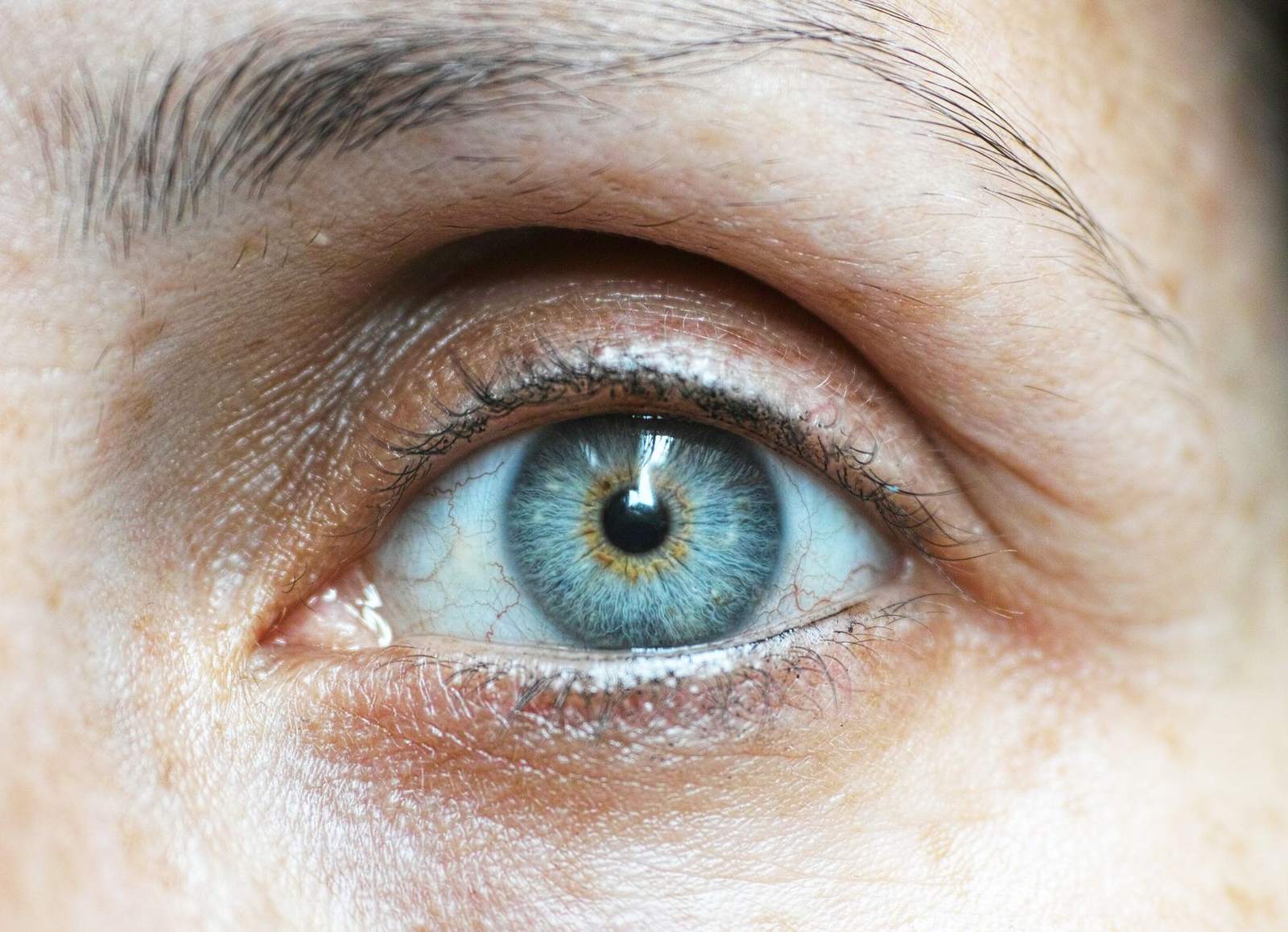
This matters because a brightening cream aimed at pigment does nothing for a shadow. Matching the fix to the cause saves you money and months of frustration.
Everyday habits that can help
Habits will not change your bone structure, but they can stop some circles from deepening. These are the steps with the clearest support in the sources:
- Wear daily broad-spectrum SPF 30 up to the lash line, plus UV-blocking sunglasses, to keep pigment-type circles from deepening.
- Manage allergies, since “allergic shiners” from nasal congestion and chronic eye rubbing often improve within weeks of proper allergy management.
- Rub your eyes as little as possible, because chronic rubbing from allergies or eczema deepens pigment over time.
Both points come from the same hospital group guide. Iron deficiency can also make circles more visible, but a blood test, not a mirror, is how to confirm it.
While you work on the cause, makeup can even out the look, and a separate guide explains how to make makeup last all day. For gentler routines beyond the eye area, browse these natural beauty tips.
Treatments dermatologists consider
The 2016 review says the aim of treatment should be to identify and treat the primary cause as well as its contributing factors. Options it names include topical depigmenting agents such as hydroquinone, kojic acid, azelaic acid and topical retinoic acid, plus chemical peels, surgical corrections and laser therapy.
A systematic review of 39 studies matched treatments to causes:
- Soft tissue fillers and autologous fat grafting are most effective for dark circles due to volume loss.
- Blepharoplasty surgery is best when excessive skin laxity is the underlying cause.
- Topical creams and chemical peels are useful for pigment-based circles.
- Lasers are mildly to moderately beneficial for both vascular and pigment types.
The authors add that high-quality evidence is scarce, so the recommendations should be interpreted selectively. Procedures like these are medical decisions, so talk them through with a qualified dermatologist.
When to see a doctor
Most dark circles are cosmetic, and the hospital group’s guide calls them almost always harmless. Still, sudden severe darkness with swelling may point to an allergic reaction, a sinus infection or another inflammatory condition that needs prompt attention.
If darkness persists despite adequate sleep and skincare, the same source says thyroid screening, anemia testing or evaluation for other underlying conditions may be warranted. A professional can check these in a way no mirror can.
Frequently asked questions
Do dark circles always mean I am tired?
Show answer
No. Fatigue can make skin paler and vessels more visible, but genetics, thin skin, allergies, sun exposure and rubbing all contribute as well.
Can an eye cream remove shadow-type dark circles?
Show answer
Unlikely. Shadow comes from hollowing rather than color, and no cream can fill a hollow. Fillers or fat grafting are the options the 2021 review found most effective for volume loss.
What helps pigmented dark circles most?
Show answer
Daily SPF and avoiding rubbing stop them deepening. For treatment, the 2021 review found topical creams and chemical peels useful for pigment-based circles.
Are dark circles a sign of a health problem?
Show answer
Usually not, but sudden severe darkness with swelling, yellowing skin or darkness that persists despite good sleep and skincare is worth discussing with a doctor.