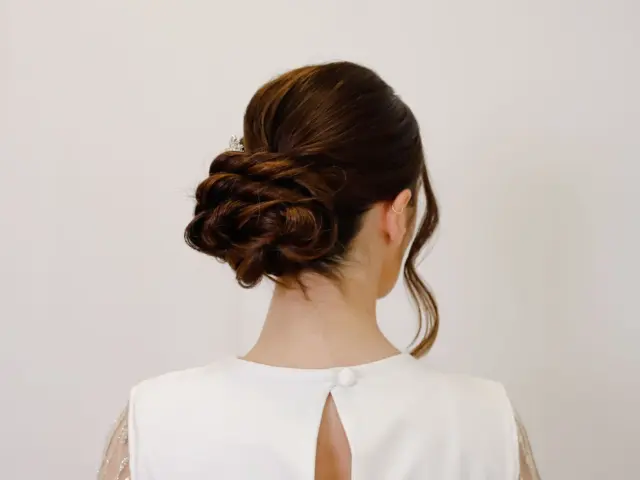
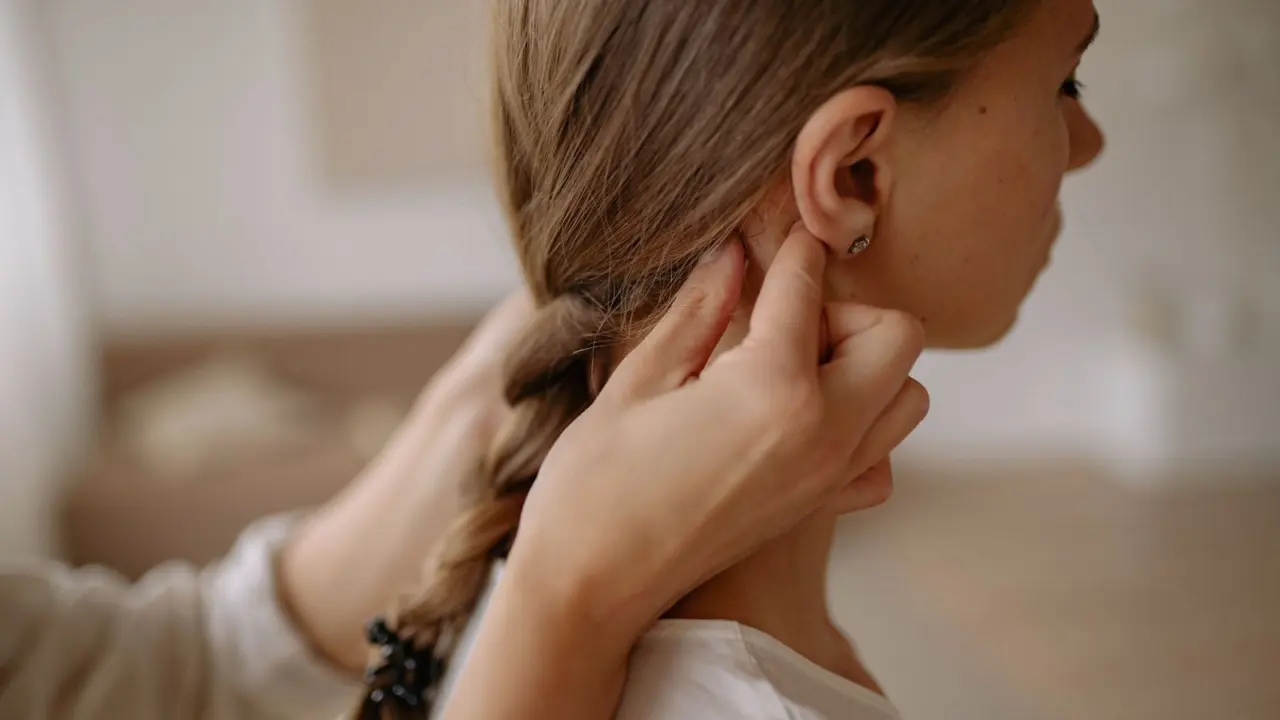
Long hair looks great but feels like work on busy mornings. The best easy hairstyles for long hair are low ponytails, loose twists, half-up styles and soft buns, all done gently on dry or barely damp hair.
For more inspiration beyond long hair, browse the wider set of hairstyle ideas on this site.
| Item | Value |
|---|---|
| Typical hair growth | About 1/4 inch per month |
| Longest growth period for a single hair | Up to six years |
| Flat iron use | Dry hair, low or medium heat, no more often than every other day |
| Curling iron contact time | Only a second or two in place |
| Brushing | Keep it to a minimum; 100 strokes each day can cause split ends |
These figures come from WebMD’s hair-damage feature and from dermatologist tips posted by News-Medical. They can change, so check the source before you rely on them.
What makes a hairstyle easy on long hair?
An easy style takes little time, needs few tools and puts very little tension on your roots. Long hair gives you plenty to work with, but its weight can tug at the scalp when it is pulled up tight.
Run any look through this quick test before you commit:
- Can you do it with your hands, a single elastic or a clip?
- Does it stay comfortable at the scalp, with no ache as the day goes on?
- Does it work on day-old hair, so you can skip extra heat?
The scalp question matters. A dermatologist quoted in a WebMD feature, medically reviewed in September 2011, said that discomfort or ache in the scalp points to too much pressure at the roots.
Quick styles you can do in minutes
Each of these needs nothing more than your hands, a soft elastic or a clip. Start loose, then tighten only if the style slips.
Low ponytail with a wrapped base
Gather your hair at the nape and secure it with a soft, snag-free elastic. Pull a thin strand from the ponytail, wrap it around the elastic to hide it and pin the end underneath. Keep the low ponytail relaxed rather than slicked tight.
Loose half-up style
Take the top section of hair from temple to temple and gather it at the back of your head. Secure it with an elastic or a barrette and leave the rest down. This half-up look keeps hair off your face with very little pulling.
Twist-and-clip updo
Twist all your hair in one direction until it coils on itself, then fold it up against the back of your head. Fasten it with a large claw clip. The claw clip holds the weight of long hair without a tight elastic.
Loose side braid
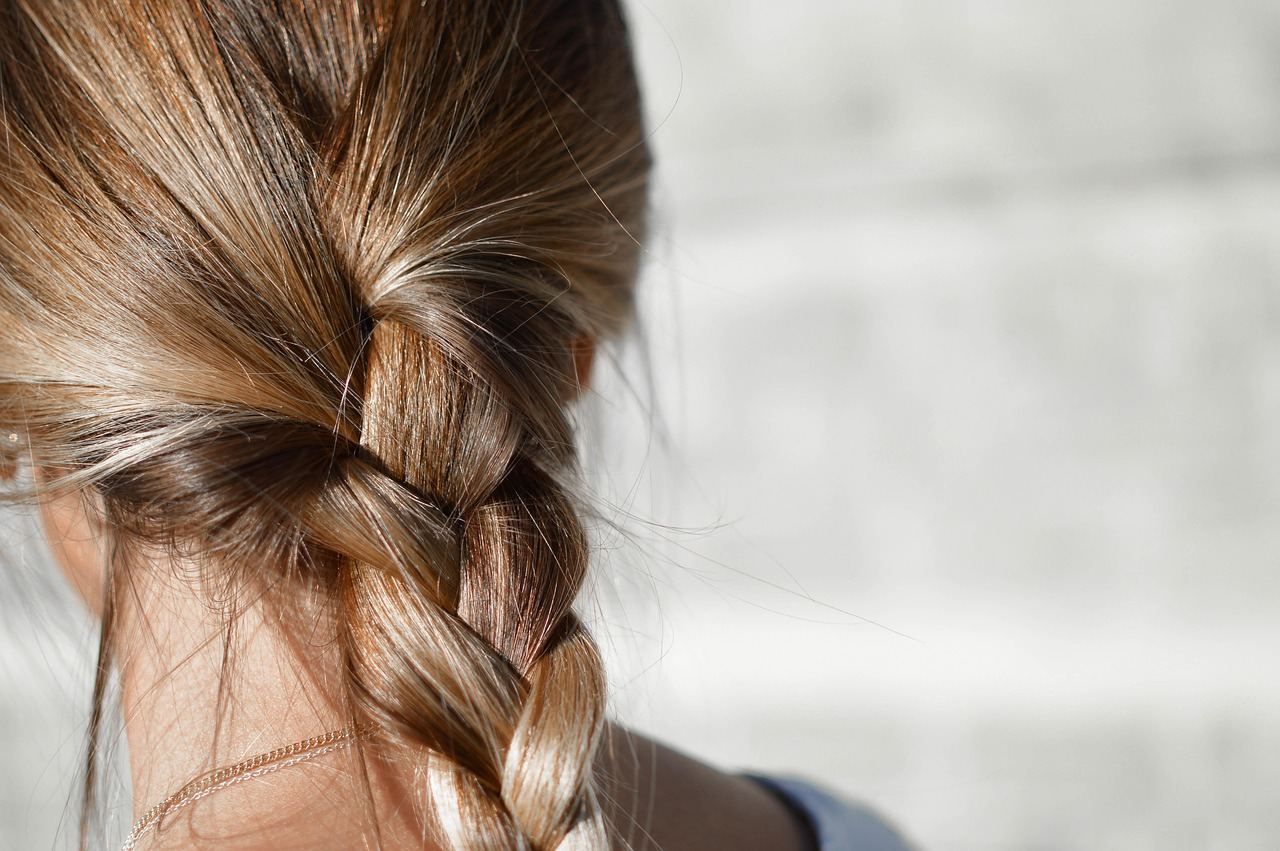
A single loose braid over one shoulder is one of the fastest ways to tame long hair. If you have never braided before, the guide to braided hairstyles for beginners walks through the basics. Leave the braid soft and loose so it does not pull at your hairline.
How to keep easy styles gentle on your hair
An easy style is only a good one if it does not wear your hair down. Dermatologist advice republished by News-Medical in July 2013 and the WebMD feature both point to the same few habits.
- Dry your hair by wrapping it in a towel, or let it air-dry.
- Let hair partially air-dry before you style or comb it.
- Cut back on the number of times per week that you blow dry.
- Vary where you put elastics and clips so one spot does not take all the strain.
Be careful with pulled-back looks, because ponytails and braids can make hair break when they are pulled tightly, according to WebMD. The same feature says that tying hair up while it is wet can cause damage sooner because wet hair is more fragile.
The 2013 tips from the American Academy of Dermatology also advise against continuously wearing braids, cornrows, ponytails and hair extensions. These styles pull on the hair, and ongoing tension can lead to breakage and, eventually, permanent hair loss, per the News-Medical report.
Heat and brushing
If you reach for a styling tool, use a flat iron only on dry hair at a low or medium heat setting, and no more often than every other day. For a curling iron, the same dermatologist tips say to leave it in place for only a second or two, as reported by News-Medical.
The old advice to brush 100 strokes a day is a myth. According to the same report, heavy brushing can cause split ends, so keep it to a minimum.
Adjusting for your hair type and length
Not every look suits every head of hair. If yours is fine, a smaller elastic and a loose, slightly teased shape tend to feel lighter, and the guide to hairstyles for thin hair covers more options.
Wet-hair advice differs by texture. Most people should handle wet hair as little as possible, but people with tightly curled or textured hair should brush it when wet to reduce breakage, according to the dermatologist tips posted in July 2013.
Length also takes patience. Each hair grows about 1/4 inch every month and can keep growing for up to six years, so your natural growth cycle helps set how long your hair can get, per WebMD. Gentle styling helps you keep the length you have already grown.
Frequently asked questions
Can I wear a ponytail every day?
Show answer
Dermatologist advice published in July 2013 says not to wear ponytails, braids and similar pulled styles continuously, because the tension can cause breakage. Vary your style and keep it loose.
Is it okay to style hair when it is wet?
Show answer
For most people, it is better to handle wet hair as little as possible, since it breaks more easily. WebMD adds that tying wet hair into a ponytail or braid can cause damage sooner. People with tightly curled or textured hair are the exception for brushing, as noted above.
How often can I use a flat iron?
Show answer
The dermatologist tips posted in July 2013 say to use it on dry hair at low or medium heat, no more often than every other day. Check the source before you rely on that advice.
Does brushing 100 strokes a day make hair shinier?
Show answer
No. The same tips say that brushing 100 strokes each day can cause split ends, so keep brushing to a minimum.