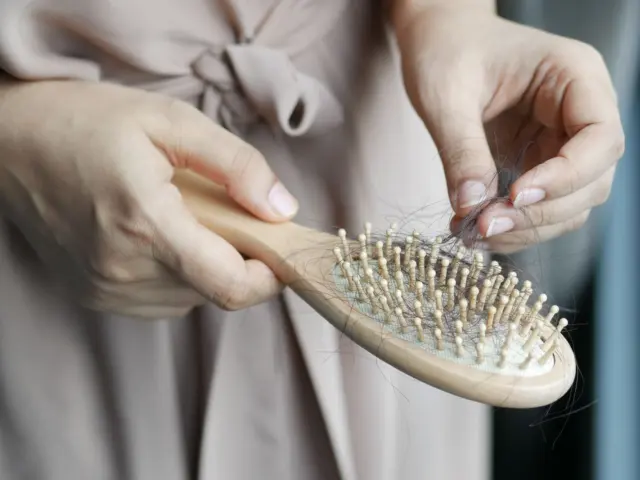

Wondering how often to wash hair without drying it out? It depends on your type: fine hair every one to two days, thick hair about once a week, tightly coiled hair at least every two weeks. Adjust from there to how your scalp feels.
If you want routines beyond the shower, browse our hair care tips.
| Hair type or situation | Suggested wash frequency |
|---|---|
| Thin, finer hair | Every one to two days |
| Semi-coarse hair | Every two to four days |
| Coarse, thick hair | Once a week, or whenever it feels like it needs washing |
| Coarse, coiled, tightly curled hair | At least every two weeks |
| Clarifying shampoo if you use a lot of styling products | One to two times per month |
These figures come from Cleveland Clinic’s April 29, 2025 article, which quotes dermatologist Shilpi Khetarpal, MD. Guidance can change, so check the source before you rely on the figures.
Should you wash your hair every day?
For most people, daily washing isn’t necessary. Staying clean does no harm, but the dermatologist quoted by Cleveland Clinic says you probably shouldn’t wash daily, especially if your hair is curly. Over-washing leads to breakage and damage over time.
Some people do have a reason to wash more often. The same source says those with finer hair should wash at least every other day, and people with oily or greasy scalps may opt to wash daily if it bothers them.
The bigger point is that your hair has its own needs. What works for a friend might not work for you, so expect a little trial and error while you find your rhythm.
Wash frequency by hair type
Texture and thickness are the best starting point. Based on the Cleveland Clinic guidance, these are general ranges for how often to shampoo:
- Thin, finer hair: every one to two days.
- Semi-coarse hair: every two to four days.
- Coarse, thick hair: once a week, or whenever you feel it needs to be washed.
- Coarse, coiled or tightly curled hair: at least every two weeks.
Curly, coarse hair tends to be much drier than straight, soft hair. The oil your scalp makes has to travel along corkscrew-shaped strands to reach the ends, so washing too often leaves those ends short of moisture.
Chemical processing makes hair more fragile too. The more product you use on it, the higher the chance of split ends or breakage, which is why dry hair doesn’t need to be washed as often as other types.
Other factors that change your schedule
Hair type isn’t the only thing that matters. Length, age, family background and activity all shift how often your hair needs a wash, according to the Cleveland Clinic article.
Hair length
Over-washing leads to brittle hair, especially if yours is longer. Oil glands in your scalp make sebum, which helps maintain the structure of your hair, and it needs time to travel down to the ends to moisturize each strand. Washing gets rid of a lot of that oil.
Age
As you age, it may be best to wash less often than you did when you were younger. Aging hair comes with less active oil glands, which are under the control of androgens. Younger people typically have more active oil glands because their hormone levels are higher.
Women after menopause have a decrease in androgens, which leads to less oil production. Men have less active glands the older they get, too.
Ethnic background and family history
Your family history plays a big role in how your hair grows and how often it should be washed. The dermatologist notes that it’s common for people of color to have extremely dry hair that can become brittle if it’s over-washed, and says they should wash at least twice a month.
For other groups, the same source suggests at least two to three times a week to minimize inflammation and the overgrowth of normal yeast that live on the scalp.
Activity level
Sweating doesn’t automatically mean a shampoo. Even with daily exercise, you don’t need to wash your hair daily, because your hair type, texture and usual oil production matter more.
The dermatologist advises keeping to a standard schedule, whether that’s three times per week, once a week or once every other week, regardless of activity level.
Shampoo the scalp, condition the ends
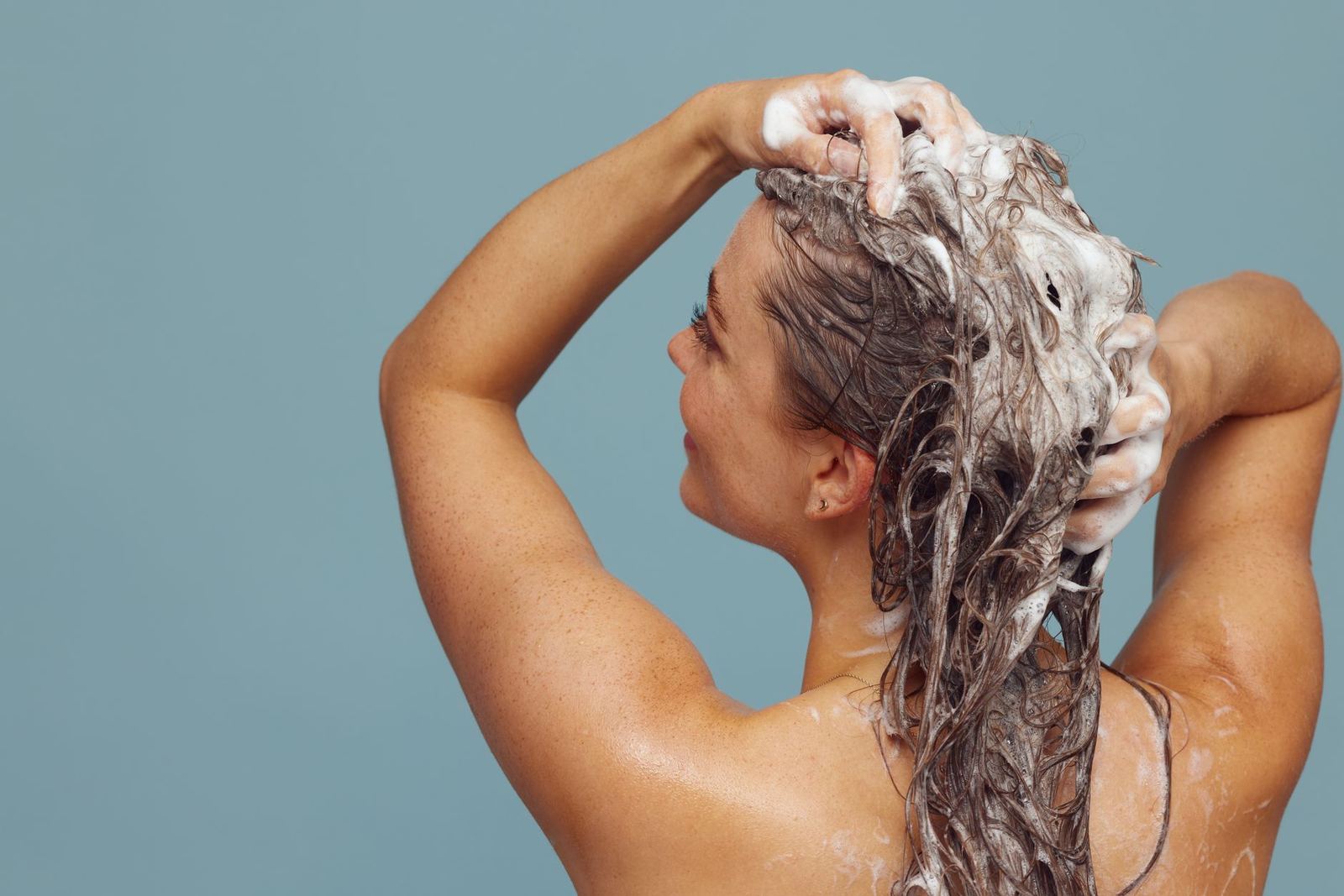
Where you put the product matters nearly as much as how often you wash. Shampoo should be applied to the scalp and conditioner to the ends of your hair, as the Cleveland Clinic dermatologist explains.
If you have long hair, avoid putting shampoo on the ends, because it can cause dryness and breakage. Going the other way has a cost too: applying conditioner to the scalp itself can make it greasy.
If over-washing has already left your hair rough or snapping, read our guide on how to repair damaged hair for next steps.
What to do between washes
If you think you’ve been over-washing, try extending the time between washes by a day or cutting out one wash per week. It may take some time for your scalp and hair to adjust, and that’s fine. In the meantime, these habits help keep hair clean and protected:
- Use dry shampoo: it contains powders that absorb excess oil and dirt, but it shouldn’t completely replace traditional shampoo.
- Focus your conditioning: for longer hair, put conditioning treatments on the ends rather than the roots. If you like natural oils such as coconut or jojoba, the dermatologist’s advice is not to overdo it.
- Check your styling products: gels, hairspray, creams and serums can build up on your hair and scalp, which can cause irritation and damage and make hair feel oily.
- Shampoo just your roots: this cleans the scalp and removes excess oil while preventing the ends from getting too dry and breaking.
If you use a lot of styling products, Cleveland Clinic suggests a clarifying shampoo one to two times per month to remove buildup.
When your scalp feels tight or flaky between washes, our page on how to treat dry scalp is a sensible next read.
Frequently asked questions
Do I need to wash my hair after every workout?
Show answer
No. The dermatologist quoted by Cleveland Clinic advises keeping to a standard washing schedule regardless of activity level, whether that’s three times per week, once a week or once every other week.
Can dry shampoo replace regular shampoo?
Show answer
Not completely. Dry shampoo helps absorb excess oil and dirt between washes, but you shouldn’t use it as a complete replacement for traditional shampoo.
How often should I use a clarifying shampoo?
Show answer
Clarifying shampoo targets residue from gels, hairspray, creams and serums, so it mainly suits people who layer on styling products. The range Cleveland Clinic gives is one to two times per month.
Does my age change how often I should wash?
Show answer
It can. Oil glands become less active as you age, so you may do better washing less often than when you were younger.