Wondering which hair care tips actually protect your hair? Handle it gently, go easy on heat and chemicals, and let your scalp, not habit, decide how often you wash. The rest of this guide shows how.
| Item | Dermatologist guidance |
|---|---|
| Flat iron use | Dry hair only, low or medium heat, no more than every other day |
| Curling iron contact time | No more than two seconds in one place |
| Hair dye shade range | Within three shades of your natural color |
| Daily brushing routine | 100 strokes a day can cause split ends |
These figures come from dermatologist tips reported by HealthDay and News-Medical. Guidance can change, so check the sources before you rely on the figures.
Why hair damage is so hard to undo
The most useful fact in hair care is that hair is nonliving. Dermatologist Zoe D. Draelos explained in a 2011 report that hair does not heal itself once it is injured, and that damaged hair only improves through new growth at the scalp, as News-Medical covered. That is why prevention beats repair.
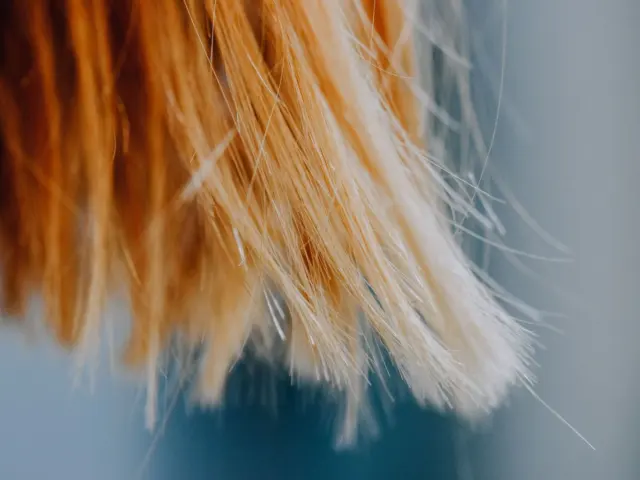
Damage also changes how hair looks. When hair is harmed, the protective lipid layer on the outside of the cuticle, which gives hair its shine, is removed. The result is hair that looks dull, dry and frizzy.
A 2004 American Academy of Dermatology presentation, reported on Newswise, put the cause plainly: hair damage comes from everyday trauma to the physical structure of the hair. The usual suspects are:
- Chemical processing such as dye, perms and straighteners
- Heated styling tools and hot blow-drying
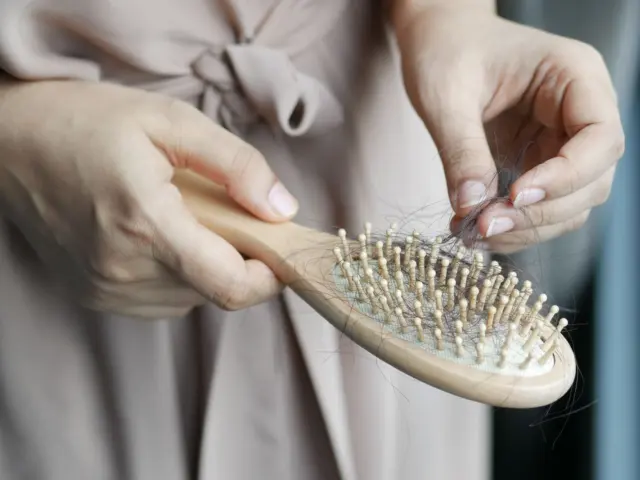
- Rough brushing and combing, especially when hair is wet
- Tight styles and accessories that pull on the hair
- Over-washing the hair itself rather than the scalp
If damage has already happened, the guide on how to repair damaged hair covers what can realistically improve. Moisturizing helps the look of hair, but the structure itself only renews as new hair grows in.
Washing and scalp care
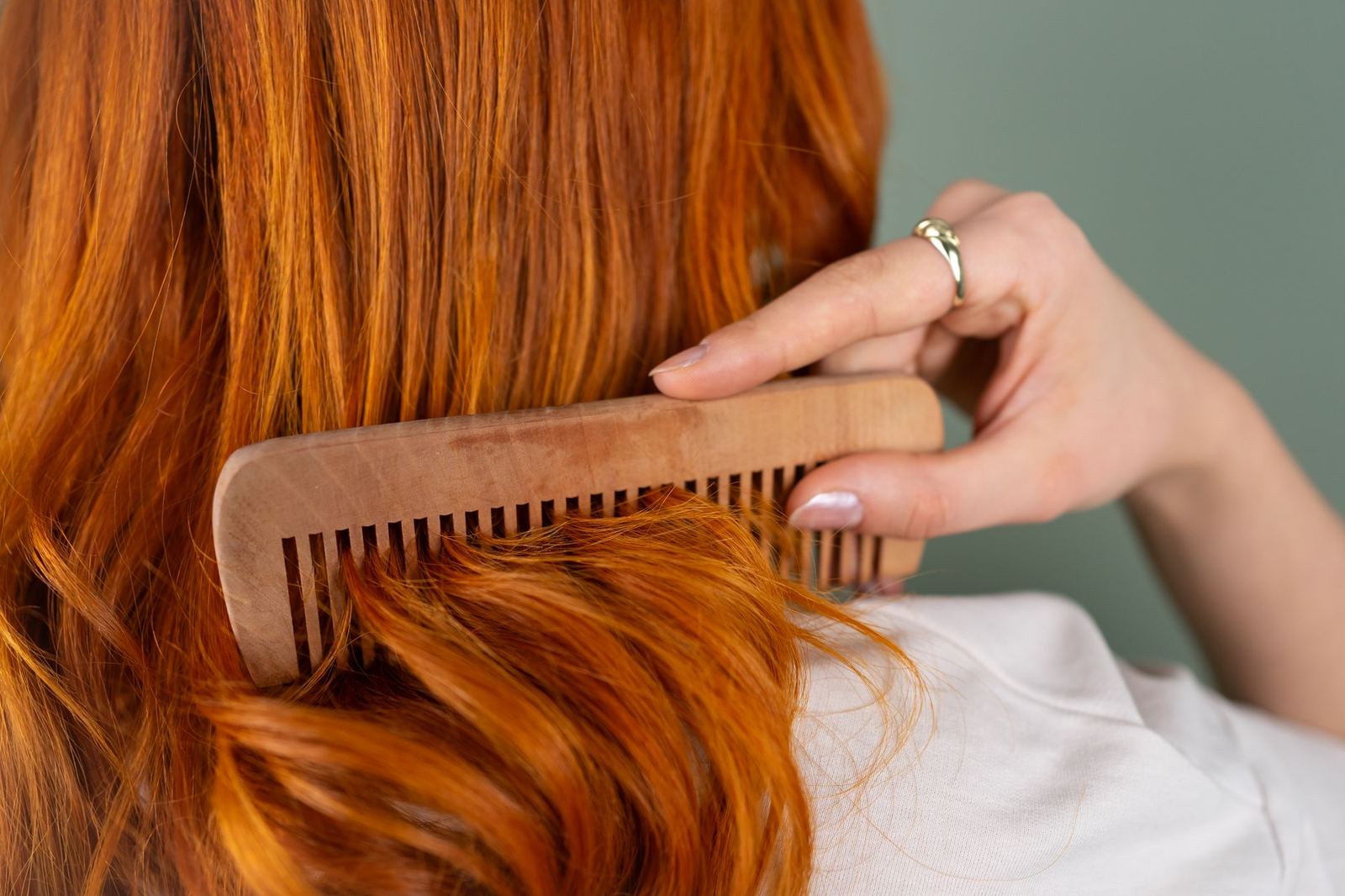
Shampoo is meant to clean the scalp primarily, and it can damage the hair if overused. Dr. Draelos advised washing the scalp, where the oil is, and simply letting the suds run through the lengths, according to News-Medical.
The same source says your scalp should set the schedule: an oily scalp needs washing more often than a drier one. For a closer look at timing, read about how often to wash hair. To match the product to your hair, see how to choose shampoo for your hair type.
When the scalp itches
Seborrheic dermatitis is marked by itchy, red, scaly skin on the scalp. It does not cause hair loss, but the itching it brings can weaken and permanently damage hair over time, according to the 2004 talk on Newswise. The advice was to seek treatment from a dermatologist rather than scratch it out.
For everyday flakiness and tightness, the walkthrough on how to treat dry scalp is a sensible next step.
Conditioning and moisture
Processed hair loses its natural moisturizers. Dr. Draelos said regular moisturizing is a must for visible damage, and that conditioning shampoos and conditioners improve the look of frizzy hair, per News-Medical. She also pointed to dimethicone, an ingredient shown to decrease static, increase shine and improve manageability.
If your ends feel brittle, learn how to deep condition hair as part of a regular routine.
Hair care tips for drying, brushing and detangling
Wet hair is more fragile than dry hair. The 2004 talk on Newswise explained that wet hair is more elastic, so vigorous combing can stretch it to the point of fracture. Where possible, comb hair only when it is dry.
The dermatologist tips in HealthDay, published in 2013, add a practical routine:
- Wrap your hair in a towel after washing, or let it air dry
- Give hair time to partially air dry before you style or comb
- Blow-dry less often each week to limit damage
- Brush only when you need to, and not by routine
One exception matters. People with tightly curled or textured hair should brush when hair is wet to decrease breakage, the same HealthDay piece notes. Curlier hair also fractures more easily than straight hair, so the 2004 talk recommended a wide-toothed comb or hair pick for kinky hair.
The brushing myth
The idea that you should brush 100 strokes a day is a myth. According to the 2013 tips on HealthDay, brushing that often can cause split ends. Choose a flexible comb with smooth, rounded, coarse teeth, and a brush with smooth, ball-tipped, bendable bristles.
Breakage that keeps showing up despite gentle habits deserves a closer look at how to stop hair breakage.
Heat and chemical styling: where most damage starts
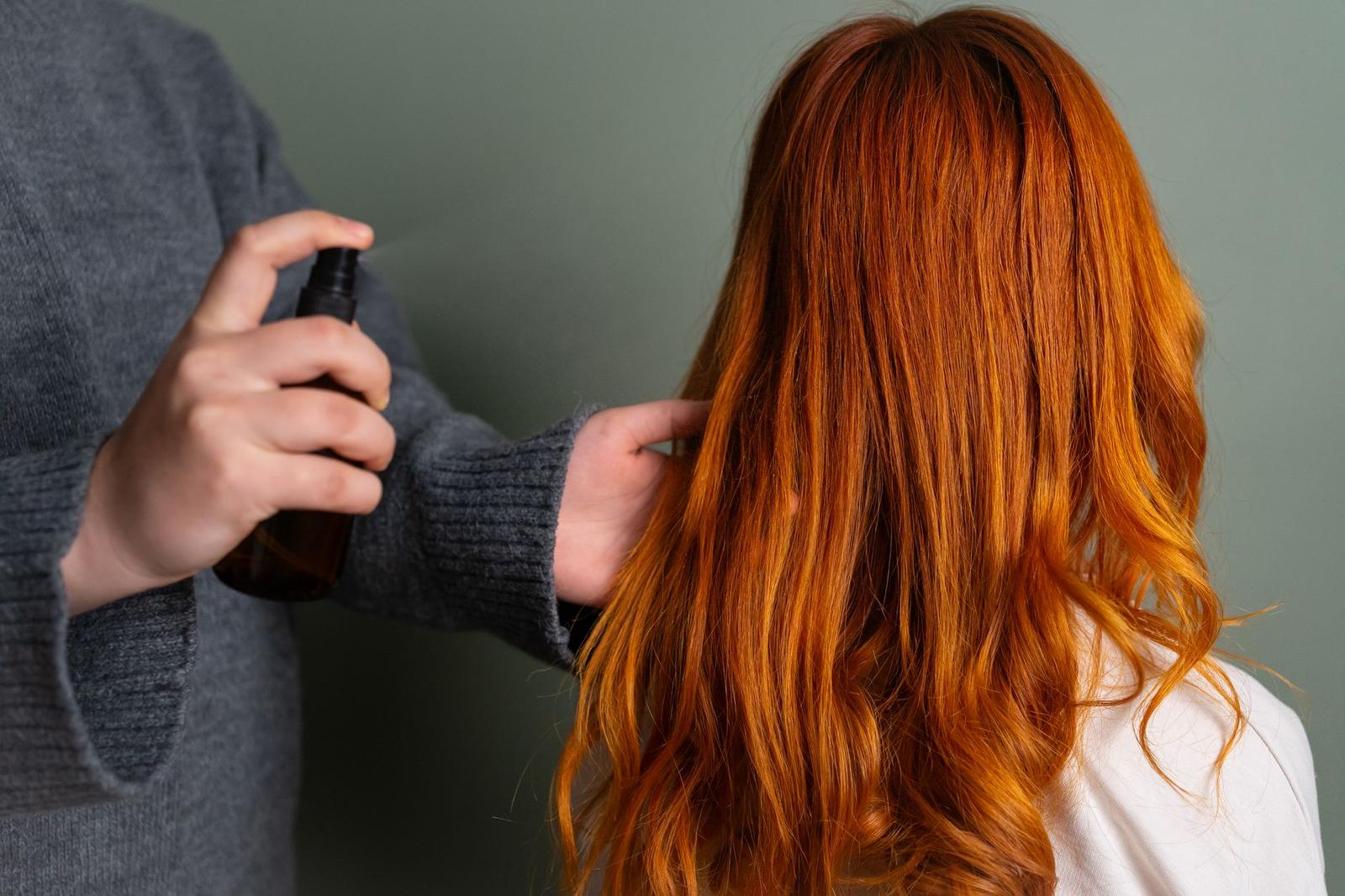
Heat can, in a sense, cook the hair. When the water inside a strand heats up and turns to steam, it creates bubbles along the shaft, a condition called bubble hair, as News-Medical described. Signs include a burned smell, frizzy ends and hair that breaks easily.
Heat-damaged hair cannot be repaired. The affected hair has to be cut off and allowed to regrow. For prevention steps, see how to protect hair from heat damage.
Heat tool habits that help
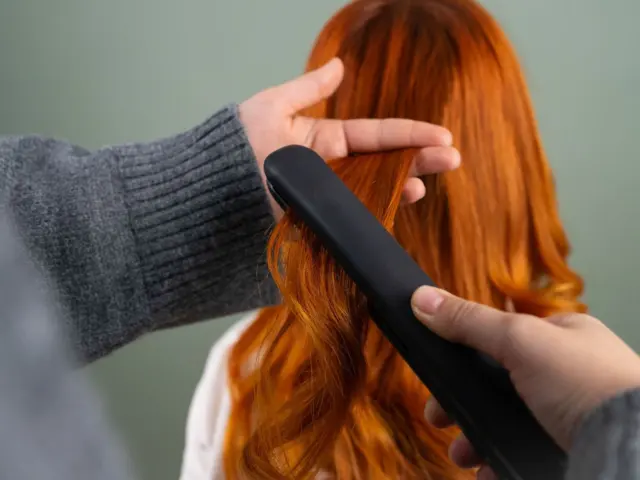
The HealthDay tips set clear limits for tools. Use a flat iron only on dry hair, on a low or medium setting, and no more than every other day. With a curling iron, leave it in place for no more than two seconds.
- Air dry when you can
- Start a hairdryer on the lowest heat setting, then increase gradually
- Choose temperature-controlled devices
- Keep moisturizing, which helps the look of heat-damaged hair but does not replace stopping the heat
Color, bleach and straightening
Hair coloring and bleaching are universally damaging, said Dr. Draelos in the 2004 talk on Newswise. If you do color, the 2011 advice on News-Medical was to stay within three shades of your natural color, and going darker is generally better than going lighter.
Keratin straightening deserves caution too. The same report said to extend the time between treatments, skip it if you have tightly kinked hair because it will not rearrange the natural bonds, and stop if hair turns frizzy and brittle. Stiff styling products with long-lasting hold can also cause breakage when you comb them out, according to the 2004 talk.
Tension, accessories and trims
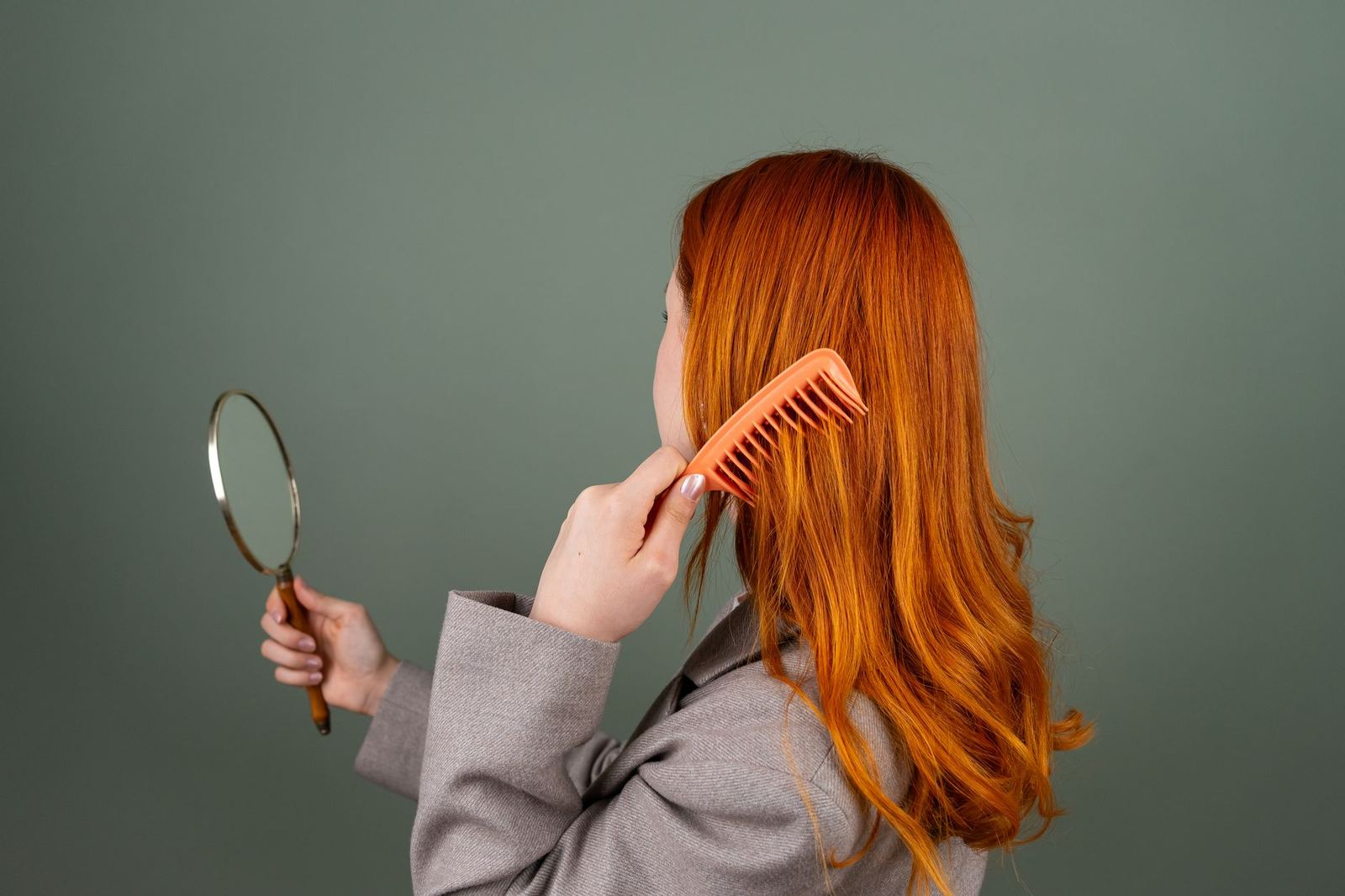
Styles that pull are a quiet source of breakage. The 2013 HealthDay advice says braids, cornrows, ponytails and extensions should not be worn continuously, because long-term tension can lead to permanent hair loss. Reducing tension matters most for hair that is already fragile.
The American Academy of Dermatology describes Black people’s hair as especially fragile and prone to injury and damage in its everyday care guidance. That makes gentle handling and rotating styles especially worthwhile.
Small accessories add up. From the 2004 talk on Newswise:
- Pins and clips all break some hair because they must grip tightly
- Choose looser clips and move them around the scalp so breakage is not concentrated in one spot
- Use fabric scrunchies that loosely hold the hair instead of rubber bands
- Have hair cut with sharp scissors, since a damaged blade crushes the shaft and invites split ends
Long hair is much more likely to be cosmetically damaged than short hair, the same talk said. Those who find their hair “stuck” at one length may have breakage rather than slow growth, since ponytail wearers reported hair that was repeatedly broken at the same distance from the scalp. If length is your goal, read how to grow hair faster, and browse hairstyle ideas that keep tension low.
Building a simple routine you can keep
Dr. Draelos summed up the philosophy in the News-Medical report: the less you do to your hair, the better. Over-styling and over-processing are the habits to trim first.
- Wash the scalp as often as its oiliness demands, and let the lathers rinse through the lengths.
- Condition and moisturize regularly, especially if hair is processed.
- Dry gently with a towel or air dry, and detangle with a wide-toothed comb or a smooth, ball-tipped brush.
- Keep heat tools on low or medium, and give hair days off.
- Rotate protective styles and avoid anything that pulls continuously.
- Trim with sharp scissors to remove split ends and damaged lengths.
Hair is one part of a bigger picture, so browse more beauty tips for skin and overall care. If you are losing hair or have persistent breakage, the 2013 advice on Newswise is to make an appointment with a board-certified dermatologist.
Frequently asked questions
Does brushing 100 strokes a day make hair healthier?
Show answer
No. Dermatologist Paradi Mirmirani called it a myth that can cause split ends, in tips shared on HealthDay in 2013. Keep brushing to a minimum.
Can damaged hair heal itself?
Show answer
No. Hair is nonliving, so once it is damaged it can only be replaced by new growth at the scalp, per the 2011 report on News-Medical. Moisturizing improves how it looks, but it does not restore the structure.
How often can I use a flat iron?
Show answer
The dermatologist tips on HealthDay say to use it on dry hair, on a low or medium setting, and no more than every other day. Excessive heat can damage all types of hair.
Should I brush my hair when it is wet?
Show answer
Most people should handle wet hair as little as possible, because it breaks more easily. People with tightly curled or textured hair are the exception and should brush when wet to decrease breakage, per the same HealthDay tips.
Do ponytails and braids hurt my hair?
Show answer
They can if worn continuously, since they pull on the hair and cause tension that leads to breakage. Long-term tension can lead to permanent hair loss, according to the 2013 tips on Newswise.