Worried your flat iron is wrecking your ends? How to protect hair from heat damage comes down to using less heat, heating less often and applying a protective pretreatment first.
Browse these hair care tips for more routines that go beyond heat styling.
| Key fact | Value |
|---|---|
| Flat iron operating temperature | Over 200 °C |
| Iron temperature used in the study | 232 °C |
| Length of each heating cycle in the test | 12 seconds |
| Total thermal treatment schedule | 12 minutes |
| Curling iron range in earlier studies | 120-160 °C |
| Pretreatment dose per hair tress | 0.5 g of a 1% polymer solution |
These figures come from a peer-reviewed lab study in the Journal of Cosmetic Science (March/April 2011). Figures can change as new research appears, so check the source before you rely on them.
What heat styling does to your hair
The paper found that flat irons change hair at the protein level. Using infrared imaging, the authors tracked the conversion of α-helix to β-sheet and protein degradation in hair keratin, the main protein in each strand.
Heated hair also held less water. Compared with unheated hair, it showed reduced water regain and lower water retention, which the authors linked to changes in protein shape.
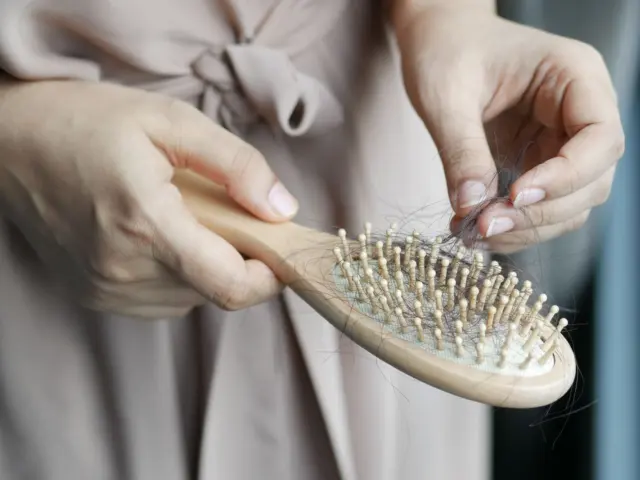
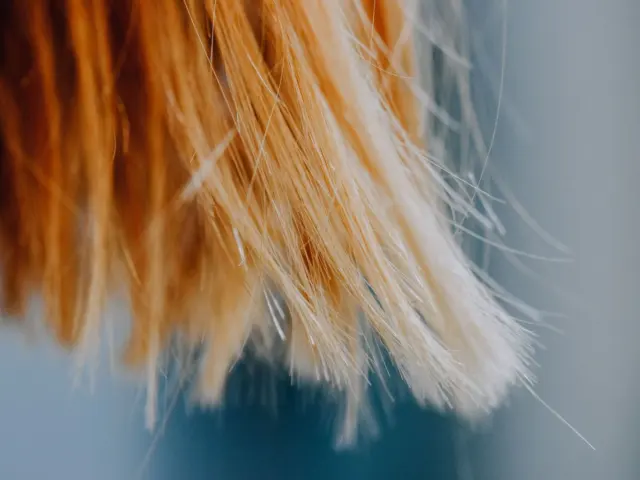
The visible result is breakage. In the study, thermally stressed hair broke significantly more when it was combed.
How hot do styling tools get?
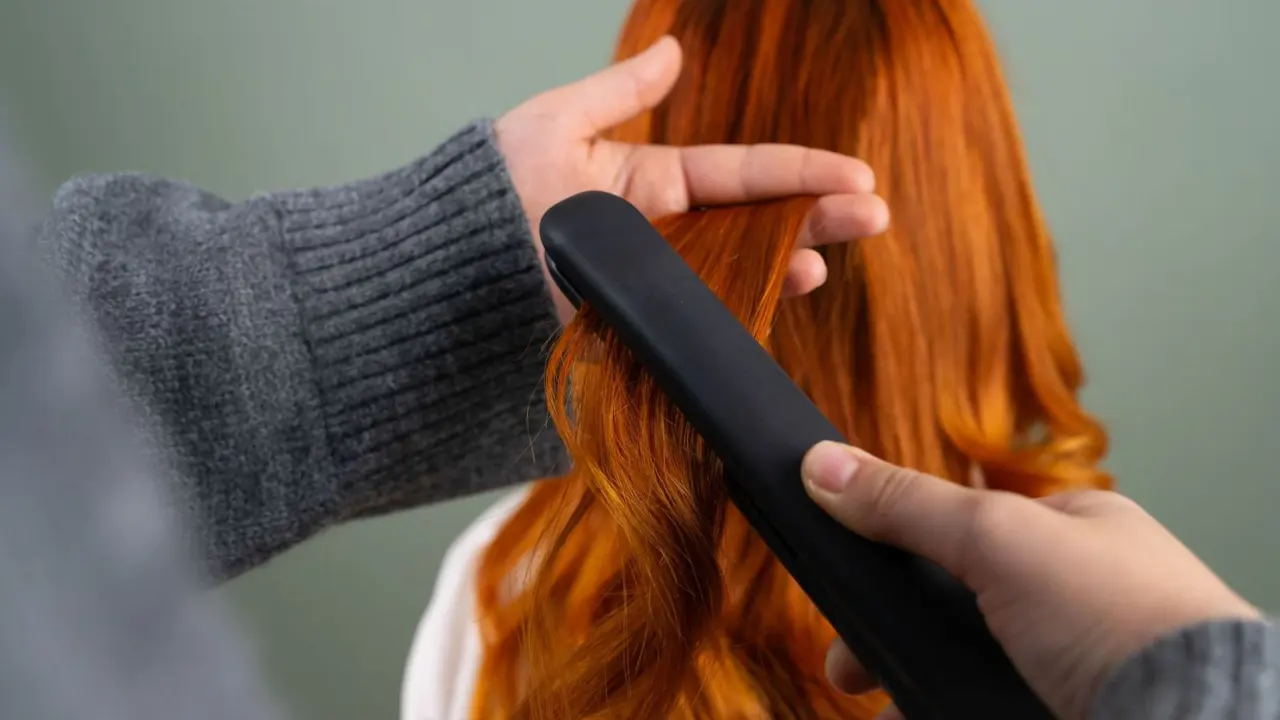
According to the 2011 study, hot flat irons can exceed 200 °C, and at those temperatures they can cause significant damage to hair keratin. The authors also noted that earlier research looked mostly at lower temperatures.
- Flat irons: operate at temperatures over 200 °C.
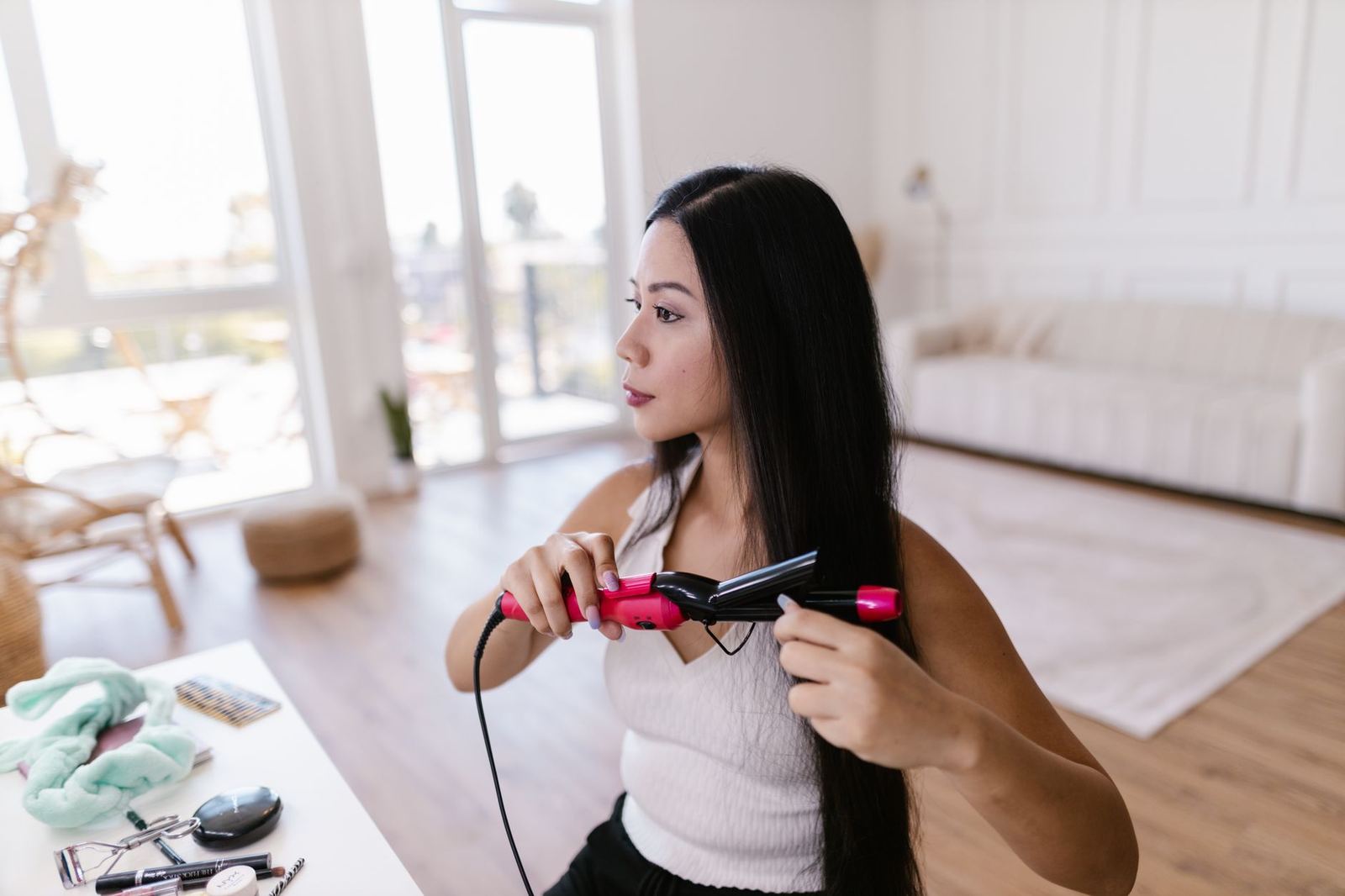
- Curling irons: earlier studies tested them at 120-160 °C and measured changes in mechanical properties and combing force.
- The test iron: was set to 232 °C for the damage experiments.
The authors say the literature holds only a limited amount of research on hair damage and protection with flat ironing above 200 °C. Treat any firm claim about a “safe” setting with caution.
Do protective pretreatments work?
In the lab, yes, for the ingredients that were tested. The study found that hair breakage fell significantly when hair was pretreated with selected polymers: VP/acrylates/lauryl methacrylate copolymer, polyquaternium-55, and a polyelectrolyte complex of PVM/MA copolymer and polyquaternium-28.
The researchers applied 0.5 g of a 1% polymer solution after washing, dried the hair and then used the hot iron, following the published method. The 12-minute schedule used short 12-second heating cycles, with a wash every 4 minutes.
The pretreatments protected the keratin inside the hair and also the surface. The authors credit improved cuticle integrity and smoothness as a key reason for the anti-breakage effect.
One point of context: the authors worked at International Specialty Products, which also supplied the polymers they tested. That does not invalidate the results, but it is worth knowing when you weigh them.
A practical heat-protection routine
The study did not test salon or retail products, so the steps below are a sensible reading of its findings rather than a guarantee.
- Wash first, then protect. The researchers applied the pretreatment after washing and before drying and ironing. If you are unsure which cleanser suits your hair, read how to choose shampoo for your hair type before you plan your routine.
- Check ingredient lists. Look for the polymers named above on the label of any heat protectant. Their presence does not prove a product performs the same way as the lab formula.
- Turn the heat down. The damage was shown at 232 °C and tools can exceed 200 °C, so a lower setting is the logical direction. The paper does not name a safe temperature.
- Limit repeat passes. The test used short, intermittent exposures, and the authors studied how repeated heating affects hair.
- Keep hair hydrated. Heat-damaged hair regained less water, so moisture care matters between styling sessions.
Breakage can also work against your length goals. If that is your aim, the guide on how to grow hair faster covers the wider picture.
What the evidence cannot tell you
The experiments used hair tresses, not people. The tresses were European dark brown hair and Asian hair, washed with a sodium lauryl ether sulfate solution between heating cycles.
That means the results cannot tell you how your own hair, with its colour treatments, texture and history, will respond. They also say nothing about how long a protective effect lasts in daily life.
What the study does support is a clear principle: high heat harms keratin, repeated heating hurts moisture and strength, and a well-chosen coating on the hair can reduce breakage.
Frequently asked questions
Does a flat iron really damage hair?
Show answer
According to the 2011 study, flat irons operate at temperatures over 200 °C and can cause significant damage to hair keratin. Thermally stressed hair also broke significantly more when combed.
Can a pretreatment fully prevent heat damage?
Show answer
The study reports that breakage can be reduced significantly with selected polymers, not removed entirely. It tested specific ingredients on hair tresses, not retail products.
What temperature is safe for hair?
Show answer
The source does not name a safe temperature. It shows damage at 232 °C and says flat irons can exceed 200 °C.
Does heat change how much water hair holds?
Show answer
Yes, in the lab. Heat-treated hair showed reduced water regain and lower water retention than hair that was not heated.