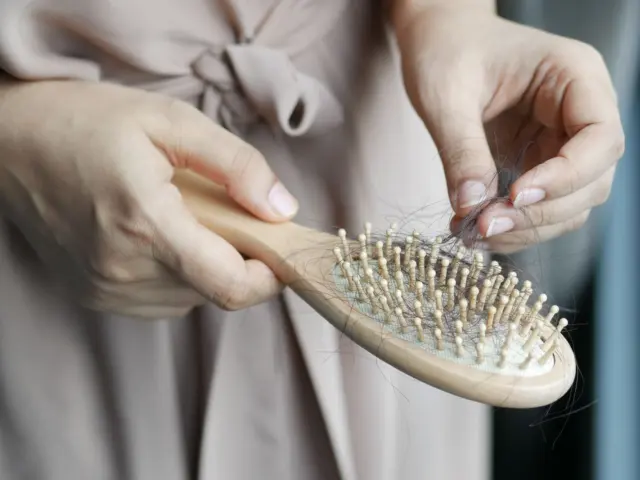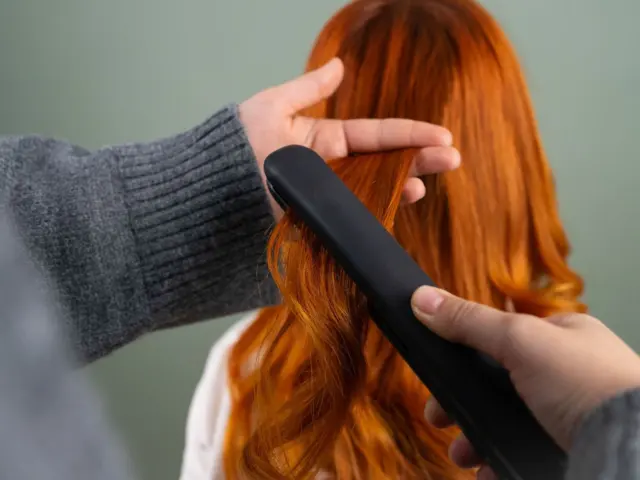
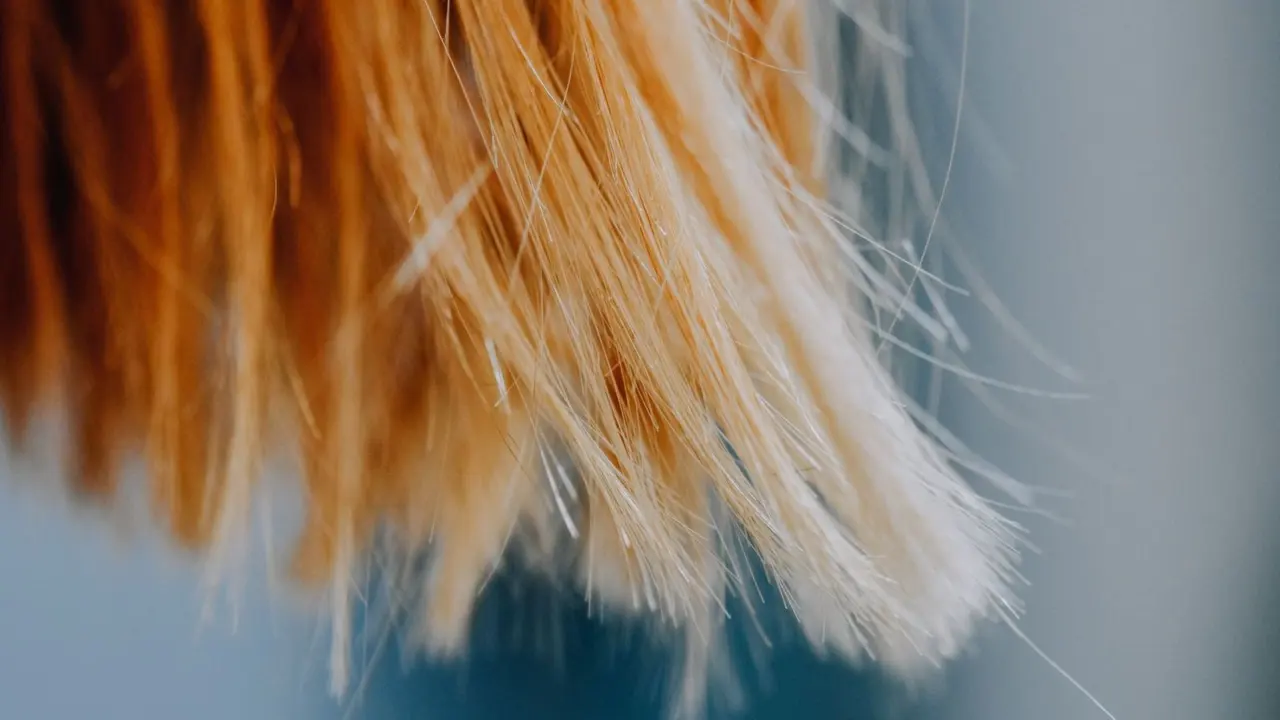
Wondering how to repair damaged hair? You can’t truly heal a broken strand, but you can stop the damage, trim what’s split and rebuild moisture. Here’s what actually helps.
For the wider picture on everyday routines, browse these hair care tips.
| Item | Value |
|---|---|
| Common causes of damage | Three: mechanical, chemical and thermal |
| Main signs of damage | Three: breakage, hair loss and dryness |
| Gradual trim pace for recovery | Two to three inches every three months |
| Deep treatment routine | Once a week |
These figures come from Vogue Philippines (27 November 2024) and Woman & Home (updated 11 February 2026). Advice can change, so check the sources before you rely on them.
How do you know your hair is damaged?
Dermatologist Neera Nathan, quoted by Vogue Philippines in November 2024, says hair damage shows up in three main ways. Each one looks a little different:
- Breakage: damage to the hair shaft that causes it to weaken and snap off.
- Hair loss: more strands leaving the scalp than you would expect.
- Dryness: damage to the outer layer of the cuticle, which results in moisture loss and coarse, dull hair.
Your texture changes what you notice first. Nathan says breakage is more obvious in curlier hair because broken strands may stick out more, while hair loss might be more obvious in those with thinner hair.
Heat damage has its own pattern. As of Woman & Home’s February 2026 update, it shows up as dryness and brittle strands, along with split ends, frizz and dullness.
What causes hair damage?
New York City-based trichologist Shab Caspara names three common causes, as reported by Vogue Philippines:
- Mechanical damage: brushing, hair ties, extensions and overall friction.
- Chemical damage: overly bleached or processed hair.
- Thermal damage: flat and curling irons.
Styling is not the whole story. Trichologist Bridgette Hill cites internal factors layered on top, including prescription medicine intake, diet, vitamin and mineral deficiencies, age, hormones and products. The same article suggests a check-in with your doctor to find out whether a preexisting condition could be affecting your hair.
Hill also offers a useful mindset: once a strand leaves the follicle, it should be handled as one would a delicate textile.
What actually helps repair damaged hair
The honest answer comes first. The experts in the Vogue Philippines piece say you can’t heal a compromised hair fiber, and that you cannot restore split ends or breakage in severely damaged hair. What you can do is prevent further damage and give new growth a better start.
A sensible order of work looks like this:
- Change the habits that caused it. Hill’s goal is to first prevent further damage by adjusting the hairstyling habits that created the problem.
- Trim the damaged ends. The solution for split ends and breakage is a trim, or perhaps a full-on chop.
- Add a weekly deep treatment. Look for nourishing ingredients such as fatty acids, silk proteins, conditioning oils and humectants.
- See your doctor if something seems off. This rules out underlying causes.
Heat damage is where trimming matters most. Trichologist Eva Proudman told Woman & Home that removing the damaged hair and encouraging new growth is the only way to completely restore it. You don’t have to do it all at once: trichologist Hannah Gaboardi says some people prefer to gradually cut two to three inches off every three months.
Depending on your hairstyle, a hairdresser can also chip into the hair to remove split ends without compromising too much. If length is your goal, this guide on how to grow hair faster covers the other side of the story.
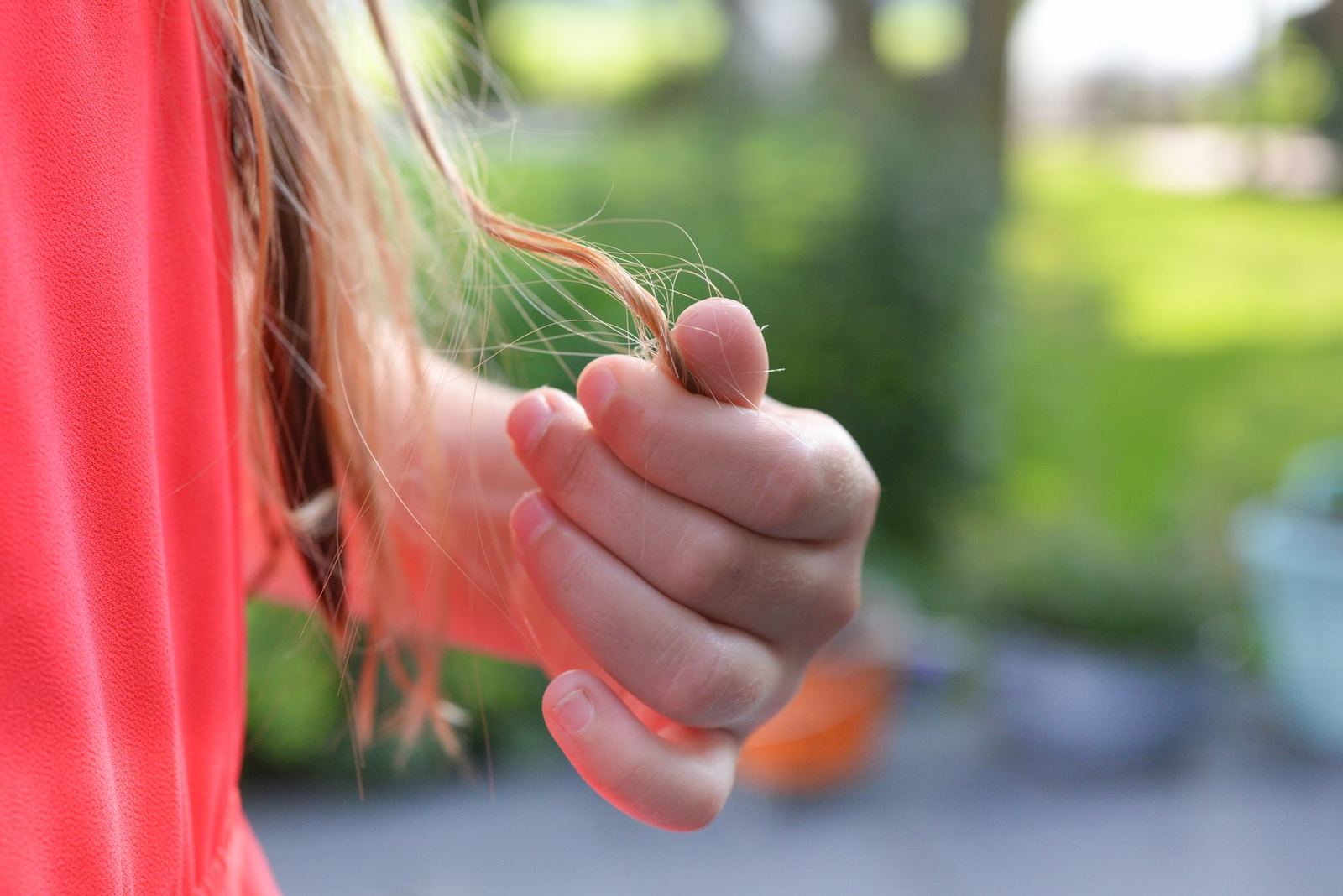
Bleach and chemical damage: what to expect
Chemical damage is the hardest to undo. The List’s January 2023 article explains that bleaching involves complex chemical changes in the strands that are largely irreversible. Its verdict is that the damage can’t be reversed, but it can be salvaged.
The same article lists these steps for processed hair:
- Use a deep treatment once a week, which it says helps relax processed hair to a great measure.
- Choose products specially formulated for color-treated, dry or damaged hair.
- Add a dab of oil to your ends after washing to lock in moisture.
- Cover damp, masked hair with a towel, as stylist Brad Mondo recommends, to trap heat that helps the treatment penetrate.
- Do not over-condition.
Diet comes up too. The List notes that keratin, a protein, is the building block of hair, and it cites dermatologist Nicole Rogers recommending at least 40-50 grams of protein every day (The List, January 2023). Treat that as one expert’s suggestion, and ask your doctor what suits you.
Frequency matters as well. Vogue Philippines says treatments that are too frequent, too harsh, or not accompanied by proper tending can lead to progressive deterioration of the cuticle. Nathan also says some perms, such as Brazilian blowouts, contain formaldehyde, which can cause inflammation or an allergic reaction.
Habits to adopt and what to skip
Prevention is the part you fully control. Vogue Philippines collects several practical rules from stylists and trichologists.
Habits that help
- Handle wet hair gently. Celebrity hairstylist Bridget Brager calls it very fragile and urges a wide-tooth comb or wet brush, working from the ends up.
- Let hair air dry as much as possible before styling.
- Choose a boar bristle brush, or one with a mix of plastic and boar’s hair bristles, for blow-drying.
- Protect your hair overnight with satin or silk pillowcases, scarves and bonnets.
- Try a sleep style such as twists, pin curls, large braids or the pineapple method.
What to skip
- Metal brushes, which Hill says can be abrasive to hair fiber and scalps.
- Dragging combs and brushes through your lengths, especially when wet.
- Taut ties and ribbons that pull on the same strands every day.
- Frequent, harsh chemical treatments with no aftercare.
Because wet hair is so fragile, it also helps to work out how often to wash hair for your own texture.
Frequently asked questions
Can damaged hair be fully repaired?
Show answer
Not once the strand has left the follicle. As of the Vogue Philippines article from November 2024, the experts say you can’t heal a compromised hair fiber, but you can prevent further damage and trim away what has broken.
Do I have to cut all my hair off?
Show answer
Not necessarily. According to Woman & Home’s February 2026 update, some people gradually cut two to three inches off every three months instead of doing one big chop.
How often should I use a deep treatment?
Show answer
Both Vogue Philippines (November 2024) and The List (January 2023) point to a weekly routine. The List also warns against over-conditioning, so stop at once a week unless a professional advises otherwise.
Does what I eat affect damaged hair?
Show answer
It can. Vogue Philippines lists diet and vitamin and mineral deficiencies among the internal causes of hair damage, and The List cites a dermatologist who suggests at least 40-50 grams of protein a day. Speak to your doctor before changing your diet or adding supplements.