
Standing in the shampoo aisle can feel overwhelming. Here’s how to choose shampoo for your hair type: match the formula to your scalp’s oiliness and your hair’s texture or treatment, then wash only as often as you need.
This guide is part of a wider set of hair care tips for everyday routines.
| Item | Value |
|---|---|
| Straight hair with an oily scalp | May want to shampoo every day |
| Dry, textured, curly or thick hair | At least once every 2 to 3 weeks as needed |
| Conditioner for fine or straight hair | Ends of the hair |
| Conditioner for dry or curly hair | Entire length of the hair |
| Starting ingredient for dandruff shampoo | 1% ketoconazole |
| Special shampoo for oily hair | A few times a week |
These figures come from the American Academy of Dermatology’s tips as published on Newswise in August 2024 and from a WebMD shampoo guide medically reviewed in August 2021. Guidance can change, so check the source before you rely on the figures.
Start with your scalp, then your hair type
The American Academy of Dermatology (AAD) tells readers to learn your hair type and to choose products that say they are made for it. Its August 2024 tips note that curly, straight, coarse and fine hair all have products and routines that work, as shown on Newswise.
Shampoo is mainly a scalp product. In its July 2012 release, the AAD’s dermatologist source advised cleaning primarily the scalp rather than the whole length, because washing only the hair can leave it flyaway, dull and coarse, according to ScienceDaily.
A simple three-way check, based on WebMD’s guide reviewed in August 2021, gets you most of the way:
- Dry hair may break easily and needs a shampoo with additional moisture and conditioning properties.
- Neutral hair (neither oily nor dry) can use a gentle shampoo without many additives that strip hair or leave residue.
- Oily hair suits a shampoo that removes more oil and has fewer moisturizing ingredients, so it will not weigh hair down.
The full descriptions are in the WebMD guide.
Shampoo types and what each one does
Your hair can be dry, oily, color-treated, bleached, fine or thick, or a mix. WebMD’s guide lists the common shampoo types and the job each one does:
- Clarifying: removes buildup in your hair and scalp.
- Color-protecting: gentle enough for dyed or bleached hair.
- Everyday: a general shampoo that does not address any specific need.
- Moisturizing: adds moisture to dry hair that is prone to breaking.
- Oily hair: helps remove extra oil and reduce the look of an oily scalp.
- Two-in-one: shampoo and conditioner combined.
- Volumizing: designed for fine hair, to make it look thicker than it is.
Ingredients can narrow the choice further. NBC Select’s September 2025 guide quotes dermatologist Dr. Michele Green suggesting moisturizing ingredients such as glycerin and argan oil for dry hair, and sulfate-free shampoos for color-treated hair to help maintain the color. You can read the details on NBC Select.
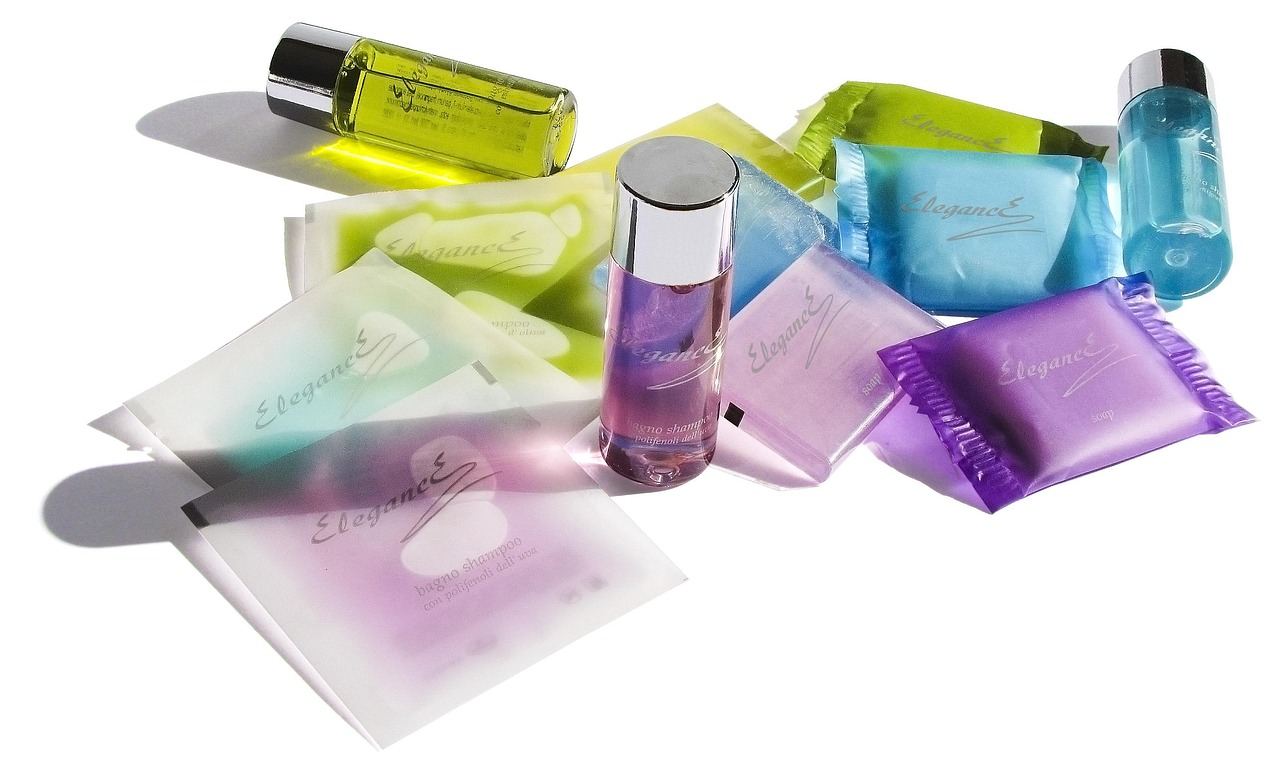
Read the label for your hair type before you look at the price. A dermatologist quoted in the AAD’s July 2012 release on ScienceDaily advises choosing a shampoo and conditioner formulated for your hair type, such as one designed for color-treated hair if you dye yours.
How often should you shampoo?
There is no single schedule, because the right wash frequency follows how oily or dry your scalp and hair are. These ranges come from the AAD and WebMD:
- Straight hair with an oily scalp: you may want to shampoo every day, per the AAD’s August 2024 tips on Newswise.
- Dry, textured, curly or thick hair: shampoo when needed, at least once every 2 to 3 weeks as needed, according to the same AAD tips.
- Oily hair with a special shampoo: a few times a week, because using one every day may strip too much oil, per WebMD.
- As a general rule, NBC Select’s September 2025 guide says you should shampoo three times a week, though it depends on hair type and texture (NBC Select).
Other things shift the schedule. The AAD’s July 2012 release says chemically treated hair may be drier, so you may wash it less often, and that an older scalp makes less oil, so you may need fewer shampoos (ScienceDaily).
Watch for the signs of getting it wrong. A 2021 NBC News guide says that if your hair has become brittle or your scalp is itchy, you may be overwashing, while hair that looks greasier than usual may mean the wrong shampoo (NBC News).
Conditioner and technique that make shampoo work
Shampoo is only half the routine. The AAD’s July 2012 release recommends conditioner after every shampoo unless you use a two-in-one product, and says it can improve the look of damaged hair (ScienceDaily).
Where you put it depends on your hair. The AAD’s August 2024 tips say fine or straight hair gets conditioner on the ends, while dry or curly hair gets it on the entire length (Newswise).
A gentle wash routine, following the same AAD tips, looks like this:
- Apply shampoo to your scalp instead of the entire length of your hair, so you cleanse buildup, dead skin and excess oil without drying the hair too much.
- Apply conditioner according to your hair type, as above.
- Detangle wet hair with a wide-tooth comb instead of a brush, starting at the ends and working up.
- Wrap your hair in a towel or t-shirt to absorb moisture, because roughly rubbing it dry can cause damage.
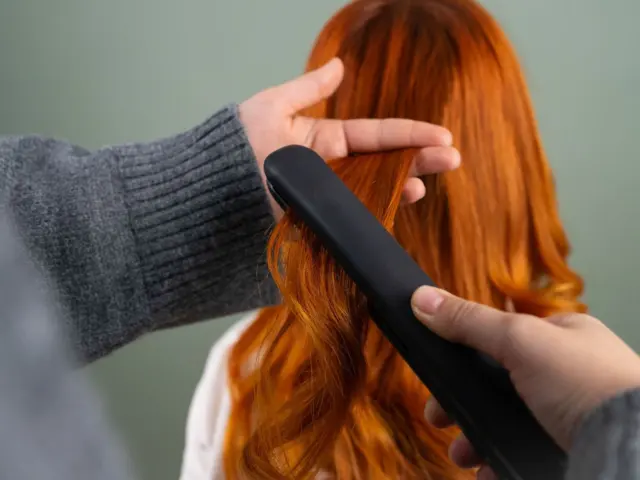
If your strands still snap, read the guide on how to stop hair breakage. The AAD also advises low or medium heat settings plus a heat-protection product, and the guide on how to protect hair from heat damage goes further.
Swimmers need an extra step. The AAD’s July 2012 release suggests wetting and conditioning hair before swimming to protect it from chlorine (ScienceDaily).
Scalp concerns: dandruff, flakes and hair loss
If you have flakes, the shampoo type may not be the only cause. The AAD’s August 2024 tips say common reasons include not shampooing often enough or not using the right conditioner, oil or scalp moisturizer for your hair type (Newswise).
For dandruff itself, WebMD’s guide (reviewed August 2021) names 1% ketoconazole as a good place to start. It is an antifungal available over the counter at low doses, with a stronger concentration available by prescription from a family doctor or dermatologist.
The same WebMD guide lists selenium sulfide and pyrithione zinc as other active ingredients, and notes you may have to try several dandruff shampoos before one works.
For an oily, acne-prone scalp, a dermatologist quoted by NBC News in 2021 suggested exfoliating and oil-absorbing ingredients such as tea tree oil, salicylic acid and charcoal.
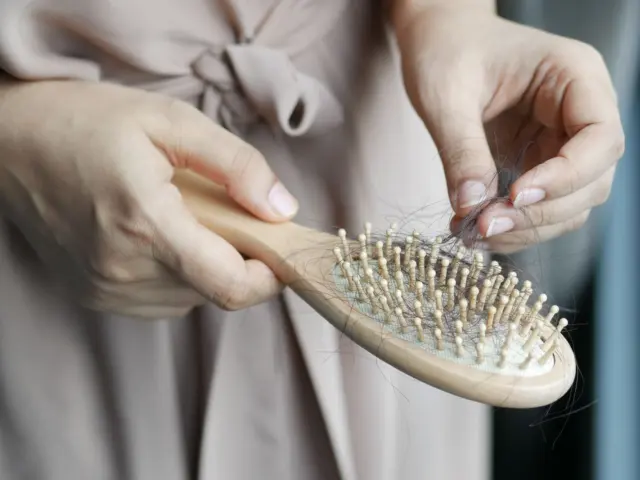
Hair loss is a different matter. The AAD’s July 2012 release says to see a dermatologist for unexplained hair loss, as it may signal a serious medical condition (ScienceDaily).
Frequently asked questions
Can I use baby shampoo every day?
Show answer
WebMD’s guide, reviewed in August 2021, says baby shampoo is gentle enough for everyday use and suggests it for neutral hair if you worry an everyday shampoo is too much (WebMD).
Is expensive shampoo better?
Show answer
Not necessarily. The AAD’s July 2012 release says that regardless of cost, many shampoo and conditioner brands provide the same benefits (ScienceDaily).
Do I need conditioner every time I shampoo?
Show answer
The AAD’s July 2012 release recommends conditioner after every shampoo unless you use a two-in-one product (ScienceDaily).
Why is my hair brittle and my scalp itchy?
Show answer
You may be overwashing, according to a 2021 NBC News guide, which says to check whether you are using a shampoo suited to your hair type (NBC News). If the problem persists, the AAD advises seeing a board-certified dermatologist.